
Is Krak's card worth it in 2026? A reviewer looks at fees, access and the complaints
 Available in US
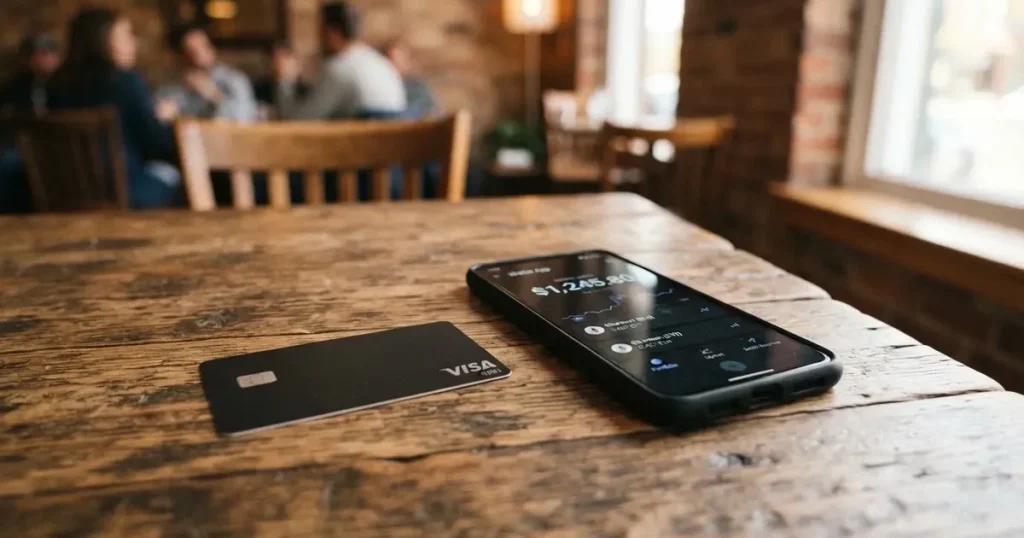
The Krak card comes with no monthly or annual fees, no transaction or FX fees, and a Mastercard you can add to Apple Pay. But access is limited to UK and EU residents, the spread on crypto spending is variable, and there are credible reports of accounts being frozen after bank transfers. My score: 7.1 out of 10.
Conditions described here are current as of October 28, 2026.
The verdict: who should get the Krak card, and who shouldn’t
The Krak card is Kraken’s app product, issued by Monavate in the UK and by Monavate UAB in Lithuania for EEA customers. It draws on your Krak Everyday balance, works as a Mastercard debit, and charges nothing to hold or use — which puts it ahead of most crypto cards on cost. It also pays up to 2% cashback depending on your average assets, or up to 4% on travel booked through Krak Concierge.
Who it suits: UK and EU residents who want a simple, fee-free way to spend a crypto balance abroad, especially people who appreciate cashback. Who it doesn’t suit: anyone outside the UK and EU, anyone who needs guaranteed privacy, and anyone whose balance depends on receiving bank transfers frequently — because account restrictions are the most common complaint theme in reviews.
Here is how I scored it, criterion by criterion:
| Criterion | Score | Why |
|---|---|---|
| Who can get it | 5/10 | Available to UK and EU residents, “more countries coming soon” |
| Cost | 9/10 | Free to order, no monthly or annual fee, no transaction/FX/ATM fees; replacement $4.99; variable spread when paying with crypto |
| Top-up options | 7/10 | Spends the Krak Everyday balance, spend order set in-app, 600+ assets offered but not all usable for the card, networks not named |
| Reliability and complaints | 5/10 | Monavate (UK, FCA FRN 901097) and Monavate UAB (Lithuania, licence 92); Trustpilot krak.app scores 3.8/34 or 1.9/126 across sources; accounts restricted after transfers |
| Everyday use | 10/10 | Virtual card instantly, physical and metal, Mastercard, Apple Pay and Google Pay, no Krak ATM fee in 190+ countries |
| Total | 7.1/10 |
Note that the “reliability and complaints” score is the lowest here for good reason: the Trustpilot scores vary sharply between 3.8 from 34 reviews and 1.9 from 126, so either the card’s early reception improved or earlier negative reviews remain. You should treat the lower number as the more honest picture until you see recent feedback yourself.
Will they give you the card?
Yes, if you live in the UK or EU. The card page says it’s “currently available to residents of the UK and the EU, with more countries coming soon”, and eligibility is based on residence, not citizenship. There is a footnote saying geo restrictions apply, so don’t assume a UK or EU passport alone qualifies you — it’s where you live that counts.
There’s a small wording inconsistency worth knowing about. The card page says UK and EU residents, but a Krak help article on getting verified says personal accounts are for UK, EEA and US residents. So a verified Krak personal account and an eligible Krak card are not exactly the same set of people. If you’re a US resident, you may be able to hold a verified account without being able to order the card. The exact position for your country is one of the first things to confirm in the app before you commit to anything.
Age: the applicant must be at least 18. Beyond that, the card’s public pages don’t say which specific documents you’ll need, what proof of address is accepted, or how long verification takes.
How to get it
The process is short. You need a verified Krak account with completed KYC (identity verification), then you can order a virtual card in minutes or a physical one.
Three card versions are offered:
- Virtual — available quickly, no waiting for shipping.
- Physical — orange or black plastic, shipped free to UK and EEA addresses.
- Metal — stainless steel, 16g. It requires an average of GBP/EUR 50,000 combined assets held across Krak, Kraken and Kraken Pro.
The metal card’s 50,000 threshold is worth pausing on. It’s an average balance requirement, not a payment — so it works if you actually keep that much on average, but it locks you out if your holdings fluctuate. If you’re near the line, check what “average” means and over what window before you order.
KYC itself: a verified Krak account is required, you must be 18 or older, and Monavate must verify your identity before the card is issued. The exact verification tiers and processing time aren’t stated on the pages I read.
Delivery: physical cards ship free to UK and EEA addresses. The delivery time isn’t stated on the official pages. Unofficial reports (from CryptoCardHub, 11 August 2026) say plastic cards normally arrive within 14 business days, and that metal card replacement costs GBP/EUR 60 — treat these as unconfirmed. Virtual and physical cards are cancelled separately, which matters if you want to drop one but keep the other.
Fees: what the Krak card really costs
The headline is genuinely good: the card is free to order, there are no monthly or annual fees, and Krak states “zero transaction fees, FX fees, ATM withdrawal fees or monthly fees on your spend”. A variable spread does apply when you spend across assets, but its size isn’t stated.
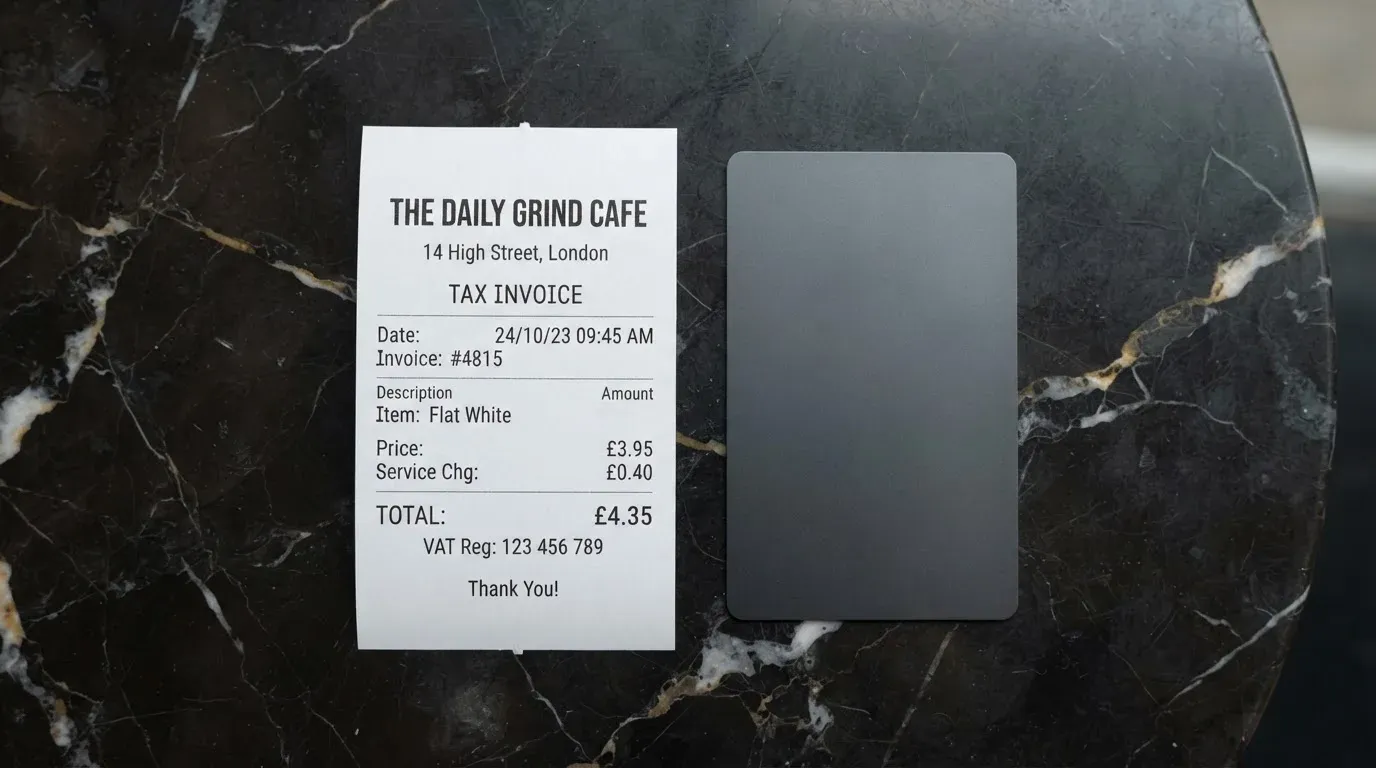
FX specifically is handled well: foreign currency conversion is “passed through at the Mastercard rate with no markup”. The spread applies on the sell side when you pay with crypto, so the cost of spending crypto is the spread plus nothing from Krak.
Card currency is GBP for UK cards and EUR for EEA cards, and card payments settle in that primary currency.
Here are the numbers that are stated:
| Fee or limit | Krak card |
|---|---|
| Issuance | Free to order |
| Monthly or annual fee | None |
| Transaction fee | Zero |
| FX fee | Zero (Mastercard rate, no markup) |
| ATM withdrawal fee (Krak’s own) | Zero; third-party ATM fees may apply |
| Card replacement | $4.99 (or equivalent card currency) |
| Crypto spending | Variable spread applies, size not stated |
| Metal card replacement | GBP/EUR 60 (unofficial, CryptoCardHub 11 Aug 2026) |
Daily, weekly and monthly limits apply to both card spending and ATM withdrawals. The limits vary by region and are shown in the app — the card’s public pages don’t publish a single limit table. Hotels and car rentals may place an extra 10–20% hold, and the unused portion of that hold can take up to seven days to clear. That last point catches people out: a hotel booking can look like missing money for nearly a week.
Three everyday payments, and which fees apply:
- A £3 coffee in London. No transaction fee, no FX fee, paid from your balance. If the balance is crypto, the variable spread applies.
- A €25 dinner in Berlin. No Krak FX fee; Mastercard’s rate applies. The spend settles in EUR, your EEA card’s primary currency.
- A $60 ATM withdrawal in the US. Krak charges no ATM withdrawal fee, but the third-party ATM operator may, and the fee is shown before you confirm. ATM limits apply on top of daily/weekly/monthly caps.
Two fee categories are deliberately absent from Krak’s own pricing, and both are worth understanding because they’re not Krak charges but real costs you can still incur. Near-instant card deposits are reported at GBP/EUR 0.25 + 3.75% (unofficial, CryptoCardHub 11 August 2026) — that’s expensive for a convenience feature. And some deposit methods carry a 3-day withdrawal hold. Neither is Krak’s standard card fee, but both can shape how you use it.
Top up options
The card spends from your Krak Everyday account balance. You can deposit “at any time in the app”, and for multi-currency spending the app uses currencies in the order you set — this is the spend order, which you control.
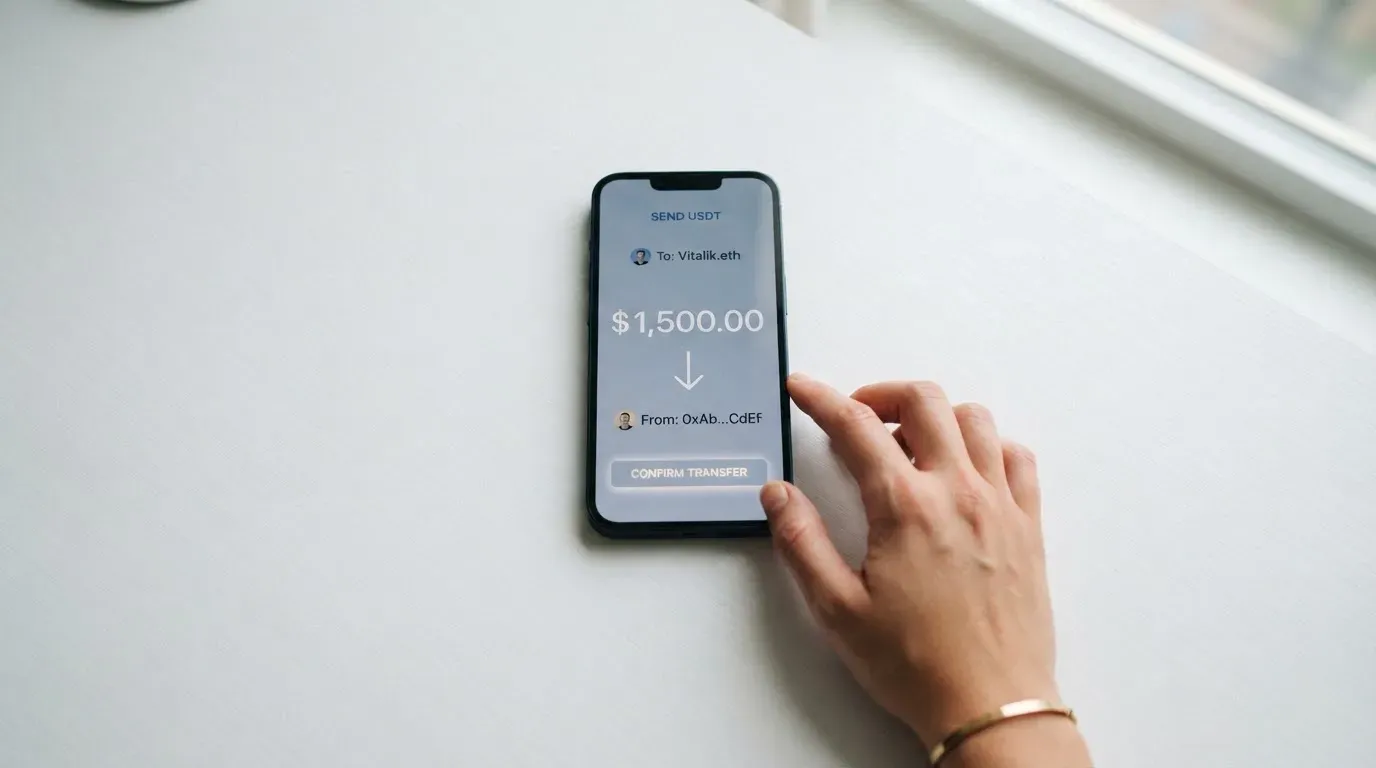
A few things the card’s public pages don’t state: the specific coins and networks used for topping up, the deposit fee, and the minimum deposit. Fiat funding runs through Plaid (EUR/GBP) and PayPal per the app’s articles, and one unofficial source describes near-instant card deposits with the fee above.
When you set up a spend order, 600+ assets are offered in the app but not all are available for card use — unsupported ones show “Unavailable”. You can also block individual currencies from being spent. Fiat balances can be spent too, not just crypto.
Withdrawals of the card balance back to a bank account or to crypto aren’t described in the card FAQ. Cancelling is done by contacting Krak Support. A fee may apply if you end the agreement within six months, and closing the Kraken E-Wallet terminates the Monavate agreement behind the card. Redemption is governed by Kraken’s terms.
Paying with it every day
This is where the card scores highest — 10 out of 10 — and it earns that honestly.
- Virtual card instantly, physical and metal versions, all Mastercard.
- Apple Pay and Google Pay both supported, so you can pay by phone at most contactless terminals.
- ATM withdrawals in 190+ countries with no Krak ATM fee (third-party fees may apply).
- Spend in 600+ currencies through the spend order.
- Apps on iOS and Android (App Store and Google Play).
Cashback is “up to 2% in cash or crypto” depending on your average assets held with Krak, Kraken or Kraken Pro, and up to 4% on travel booked through Krak Concierge. That’s a meaningful perk, but it’s tied to balance size, so the effective rate for a small holder will be lower.
Disputes and refunds: open the transaction in the app and tap “Get help with this transaction”. Refunds return to the Everyday account in the card’s primary currency, and crypto isn’t automatically converted back — if you paid with crypto and the refund lands in crypto, that’s a different asset value than when you paid. Complaint handling: UK complaints are acknowledged within 24 hours with a final response within 15 business days (extendable by 20); EEA gets 15 business days (35 if delayed); there’s a 14-day cooling-off refund of fees. A Kraken help article warns disputes can take 45–60 days, so plan for that.
What isn’t stated: whether Google Pay support is described on the card page specifically, any blocked merchant categories, and app store ratings.
What can go wrong
Restrictions are the big one. The most common complaint theme in user reviews is accounts being restricted after a bank transfer or deposit, with funds becoming inaccessible (reported for 2026), and escalation replies that arrive without a timeline. On Trustpilot, krak.app is shown as 1.9/5 from 126 reviews in one report. Other reported issues: terminals asking for signature instead of PIN, a delayed refund, and a slow response to an unauthorised-transaction claim.
Third-party, unverified reports go further. An aggregator (penchan.co, undated) describes card payments failing for hours at a time in the UK/EEA, accounts auto-freezing after small transfers from sanctioned addresses, an undisclosed spread, and a Bank of Lithuania fine/warning for Monavate UAB over AML and safeguarding. A CryptoCardHub report (11 August 2026) cites a July 2026 Reddit post about an 11-day security review suspending deposits, withdrawals and card use, after which Kraken support said it “dropped the ball”. None of this is on Krak’s own page, and I could not find official incidents recorded there — but the pattern is consistent enough that it’s a real risk, not noise.
Who issues the card matters for recourse. It’s issued by Monavate (UK, FCA FRN 901097, company no. 12472532) and, in the EEA, Monavate UAB, authorised in Lithuania (licence no. 92). Krak itself is Kraken’s app — the crypto brand is the front, Monavate is the regulated issuer behind the card programme. If something goes wrong, your complaint path runs to a regulated institution, but the day-to-day product you use is Kraken’s.
Security features that exist: you can freeze, unfreeze or replace a physical card instantly in the app, with real-time transaction monitoring and data encryption. 2FA is not stated. Unofficial sources describe the setup as custodial — crypto held with Kraken/Krak, fiat in segregated accounts at regulated institutions — and note UK e-money isn’t FSCS-covered while the EEA wallet has no deposit-guarantee coverage. Support is in-app 24/7; specific languages, email and phone aren’t stated.
My practical advice: keep a buffer of fiat outside the card for the case it’s temporarily restricted, and don’t treat the card as your only access to funds.
What to take instead
If Krak doesn’t fit your country or your tolerance for restriction risk, the main alternatives are other crypto cards. Each has its own trade-offs, and none is unambiguously better.
Young Card scores 5.7/10. Its cashback is paid in YNG tokens at a rate set by club tier — Essential 0.1%, Gold 1.8%, Platinum 3.6% (Bronze and Silver rates not stated). Eligibility, card type and fees aren’t stated officially. The token-denominated cashback is the thing to weigh: your reward’s value depends on that token’s price.
MSX scores 6.4/10. Eligibility, card type, cost, fees and funding aren’t stated on an official page I could read, and no rewards are stated. There’s simply less public information here than for Krak.
Bybit Card scores 6.0/10 and is by far the most documented of the three — and the most complex. It draws on Bybit’s Funding Account and Flexible Easy Earn balance (fiat first, then crypto sold at the One-Click Sell rate plus a conversion fee). Eligibility is limited to specific regions — Argentina, AIFC (Kazakhstan), Georgia, Kazakhstan, Australia, Mexico, Brazil, Peru and Asia Pacific — and the cards page states explicitly that “this product is not meant for European Economic Area customers”. Its costs are higher: FX fee 2% on top of the network rate in several regions (7% in Argentina), crypto conversion 0.9%, physical card issuance from 5 to about 30 depending on region. Rewards are tiered up to 10% but only on crypto-funded transactions.
| Alternative | Score | Eligibility | Fees |
|---|---|---|---|
| Krak | 7.1/10 | UK and EU residents | No monthly/transaction/FX/ATM fees; variable crypto spread |
| Young Card | 5.7/10 | Not stated officially | Not stated |
| MSX | 6.4/10 | Not stated officially | Not stated |
| Bybit Card | 6.0/10 | Selected regions, not EEA | FX up to 7%, conversion up to 0.9%, card issuance 5–30 |
So Krak wins on simplicity and cost for UK and EU residents. Bybit wins on documentation and reward tiers if you’re in one of its regions and outside the EEA. Young and MSX offer less transparency, which is itself a reason to hesitate.
Who I would recommend it to
I’d recommend the Krak card to a UK or EU resident who wants a low-cost way to spend crypto abroad, values cashback, and is comfortable that the balance is custodial and that freezing is a real possibility. If that describes you, the fee structure is among the best in the category and the everyday-use score reflects that.
I’d steer you away if you’re outside the UK/EU, if anonymity or uncensorability matter to you, if your income arrives as regular bank transfers (that’s the pattern most associated with restrictions), or if you can’t tolerate holding funds with a provider rather than in your own wallet. In those cases a self-custody card, or simply not using a crypto card, may suit you better.
Before you apply, the four things I’d check: whether your country is eligible in the app today, what your actual daily and monthly limits are once the account exists, what the current variable spread is on the assets you plan to spend, and what the current Trustpilot and app-store sentiment looks like that week. Those four answers tell you more than any static review.
Frequently asked questions
What is Krak card?
Krak is Kraken’s mobile app, which includes a payment card. The card is a Mastercard debit that spends from your Krak Everyday balance — crypto, stablecoins or fiat. It’s issued by Monavate in the UK and by Monavate UAB in Lithuania for the EEA. It’s currently available to UK and EU residents, with more countries planned. You can hold a verified Krak account without being able to order the card, depending on where you live.
How does the Krak card work?
You deposit into your Krak Everyday balance in the app, then set a spend order — the sequence of currencies the card draws from. When you tap to pay, the balance converts at the Mastercard rate with no FX markup. Spending crypto across assets applies a variable spread, whose size Krak doesn’t publish. The card is either prepaid-like (drawing on a stored balance) or works like a standard debit, depending on how you fund it.
Is Krak a bank?
No. Krak is Kraken’s app, not a bank. The card itself is issued by regulated payment institutions: Monavate in the UK (FCA FRN 901097) and Monavate UAB in Lithuania (licence no. 92) for the EEA. Your balance sits in an e-money account issued by Kraken, which is safeguarded separately from bank deposits but is not the same as a bank deposit and may not carry deposit-guarantee coverage.
Does the Krak card require KYC?
Yes. You need a verified Krak account with completed identity verification, you must be at least 18, and Monavate must verify your identity before the card is issued. Eligibility is based on residence, not citizenship. Krak’s public pages don’t state which documents are accepted, what proof of address is required, or how long verification takes — you’ll see the specifics inside the app.
Is the Krak card free?
The card is free to order and there’s no monthly or annual fee. Krak states zero transaction fees, zero FX fees and zero ATM withdrawal fees of its own. So are the cards really free? The caveats are a variable spread when spending crypto, a $4.99 replacement fee for a lost card, third-party ATM fees where you withdraw, and reported near-instant deposit fees around 0.25 + 3.75%. “Free to hold” is accurate; “free to use everything” is not.
How do I top up the Krak card?
You deposit into your Everyday balance “at any time in the app”. The card then spends in the order you set in the app’s spend order, and fiat balances can be spent alongside crypto. Some deposit methods carry a 3-day withdrawal hold. Krak’s public pages don’t state the deposit fee, the minimum, or the specific coins and networks used — you’ll see available methods in the app for your region.
Can I add the Krak card to Apple Wallet?
Yes, and to Google Pay too. Both mobile wallets are supported. Adding the card to your phone means each payment uses a device-specific token and a one-time security code rather than your actual card number. You can also freeze, unfreeze or replace a physical card instantly from the app if you think the phone or card has been compromised.
Is the Krak card safe?
It has real safeguards — instant card freeze, real-time transaction monitoring, encryption, and 3-D Secure on online payments. But it carries counterparty risk: your crypto is custodial (held with Kraken/Krak), and fiat is safeguarded at regulated institutions rather than being a bank deposit, so UK e-money isn’t FSCS-covered and the EEA wallet has no deposit-guarantee coverage. Reviews also report accounts restricted after bank transfers. No card is risk-free; this one asks you to trust Kraken and Monavate with your balance.
What are the Krak card’s limits?
Daily, weekly and monthly limits apply to both card spending and ATM withdrawals. The exact figures vary by region and are shown in the app — Krak doesn’t publish a single limit table. Hotels and car rentals can place an extra 10–20% hold that takes up to seven days to clear. Unofficial sources mention contactless thresholds (GBP 300 in the UK, EUR 150 cumulative in the EEA) and a limit of two active virtual and two physical cards, but confirm the current numbers in your app.
Is the Krak card worth it?
For a UK or EU resident who wants a fee-free way to spend crypto abroad and values the cashback (up to 2%, or up to 4% on Concierge travel), yes — the cost structure is hard to beat. It’s less suitable if you’re outside the UK/EU, if anonymity matters, or if you depend on regular bank transfers into the account. Read the current reviews, check your limits in the app, and treat it as one access route to your funds rather than the only one.
Exchange card reviews – cryptocardcheck
Content created by the «cryptocardcheck» team