
A bitcoin cashback card for Canada, not a global banking workaround
 Available in US
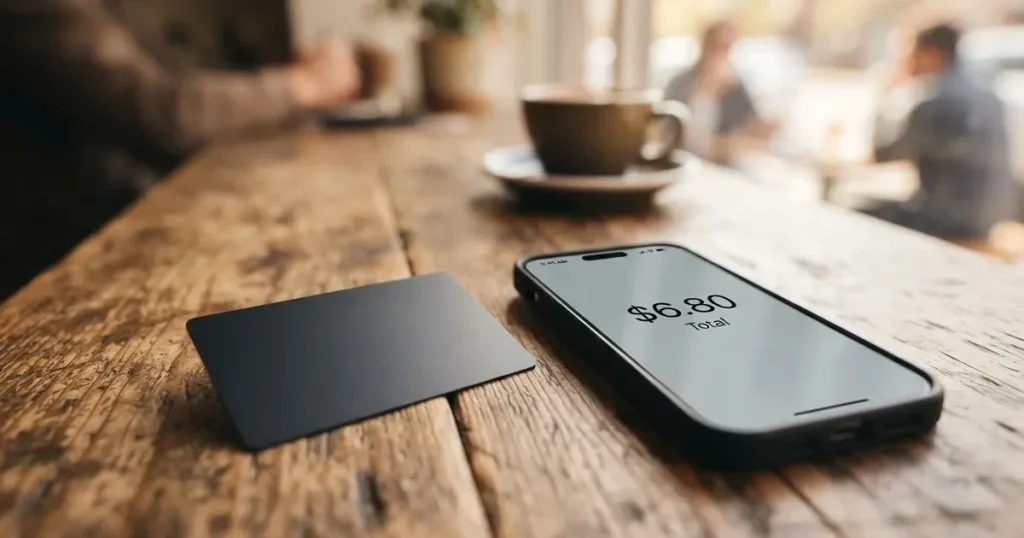
The Shakepay card is a physical Visa prepaid card that spends a Canadian dollar balance and pays part of what you spend back in bitcoin. That is the whole proposition, and it is narrower than the marketing around it sometimes suggests. On the pages I could read, the card is available to Shakepay customers in all 13 Canadian provinces and territories — Canada only. In exchange for spending a balance you have already loaded, you earn cashback in bitcoin credited automatically, up to 1.5% depending on which reward status your account carries that calendar month.
Conditions are current as of October 28, 2026.
I scored it 4.3 out of 10. That is not a verdict on the product being badly built; it is a verdict on how narrow it is for anyone outside Canada and on how much the public pages leave unsaid. Shakepay was one of the first companies to let Canadians buy bitcoin directly with dollars, and the card has grown out of that platform. But if you are reading this from outside Canada, the eligibility line answers your question before anything else does. If you are a Canadian resident who already holds a Shakepay account and wants a small amount of bitcoin back on ordinary spending, the card makes sense — with the caveat that the cashback is one part in a hundred, not a discount programme.
Everything below reflects the card’s conditions as published on the pages I checked on 20 October 2026.
Who the card is for — and who it is not for
Available to all Shakepay customers in all 13 Canadian provinces and territories, and to nobody else. That is the card’s own statement of eligibility, and it is the first thing to check before anything else in this review.
Two nuances worth carrying with you. First, the cardholder agreement does not explicitly require Canadian residency — but the card’s availability is stated as Canada-only, and the delivered card is described as arriving “regardless of where you live in Canada”, with other countries not listed. Second, even a card you are entitled to hold can fail at the till: some countries and merchants are restricted. The card’s own answer to that question is to write to [email protected], which is worth doing before you plan a trip rather than after a decline.
If you fall into any of these groups, the card is not for you, and no fee you might be offered would change that:
- Anyone outside Canada, including permanent residents of other countries.
- Anyone in the US, the UK, the EU/EEA or elsewhere who saw the card in a comparison list alongside cards that genuinely work in those markets.
- Anyone who cannot open a Shakepay account at all, since the card lives inside that account.
- Anyone who needs a credit card — this is a prepaid product, not revolving credit.
Inside Canada the picture is friendlier. The card suits residents who hold a Shakepay account, spend in Canadian dollars most of the time, and want bitcoin accumulating slowly in the background rather than thinking about it.
Getting the card: what the process looks like
There is no credit check and setup takes minutes, but a fully verified account is required. That is the honest summary: the barriers are not credit-related, they are identity-related.
Here is what the published pages do and do not tell you about getting it:
- Age. You must be of the age of majority in your province or territory.
- One per person. One card per person.
- Eligibility questionnaire. There is a short questionnaire in the app, and the account must reach fully verified status before you can order.
- No credit check. Nothing about your credit history is checked, which is a genuine plus if that is your concern.
- Documents, proof of address, verification tiers, processing time and rejection reasons: not stated on the public pages I read. If knowing which documents you will need matters to you, this is a gap you have to close with support rather than from the help centre.
Once you are verified, you order the physical card in the app and set your PIN during the ordering flow. Delivery is by Canada Post regular mail, arrives within 21 days, and carries no tracking — so “where is my card” is not a question with an answer for three weeks. The card is free for fully verified accounts; the general fee position is no annual fees, and an issuance fee is not stated.
Replacements are handled in the app under “Replace card”, and the rules differ by damage in a way that is worth knowing before you need it:
| Situation | What happens to your details | Time |
|---|---|---|
| Damaged card | Number, expiry and CVV stay the same | Replaced in the normal flow |
| Lost or stolen | New number, expiry and CVV issued | Reissue within 30 days after reporting the loss |
The replacement fee is not stated. Also not stated: whether a virtual card exists alongside the physical one, or whether there is a metal version. If a virtual card is the thing you actually need — for online payments, for a second profile, for a card number that never leaves a phone — the public pages do not confirm you can get one.
Fees and costs: what you actually pay
No annual fees, no stated issuance fee, and the real cost of the card is the foreign exchange charge: 3% at Base status, 1.5% at Bright, 0% at Blue. Since the card is Canadian-only, that charge applies to anything you spend outside Canada — which is to say, to a Canadian resident’s holiday spending, and to nothing at all if you never leave.
Here is the cost picture as published:
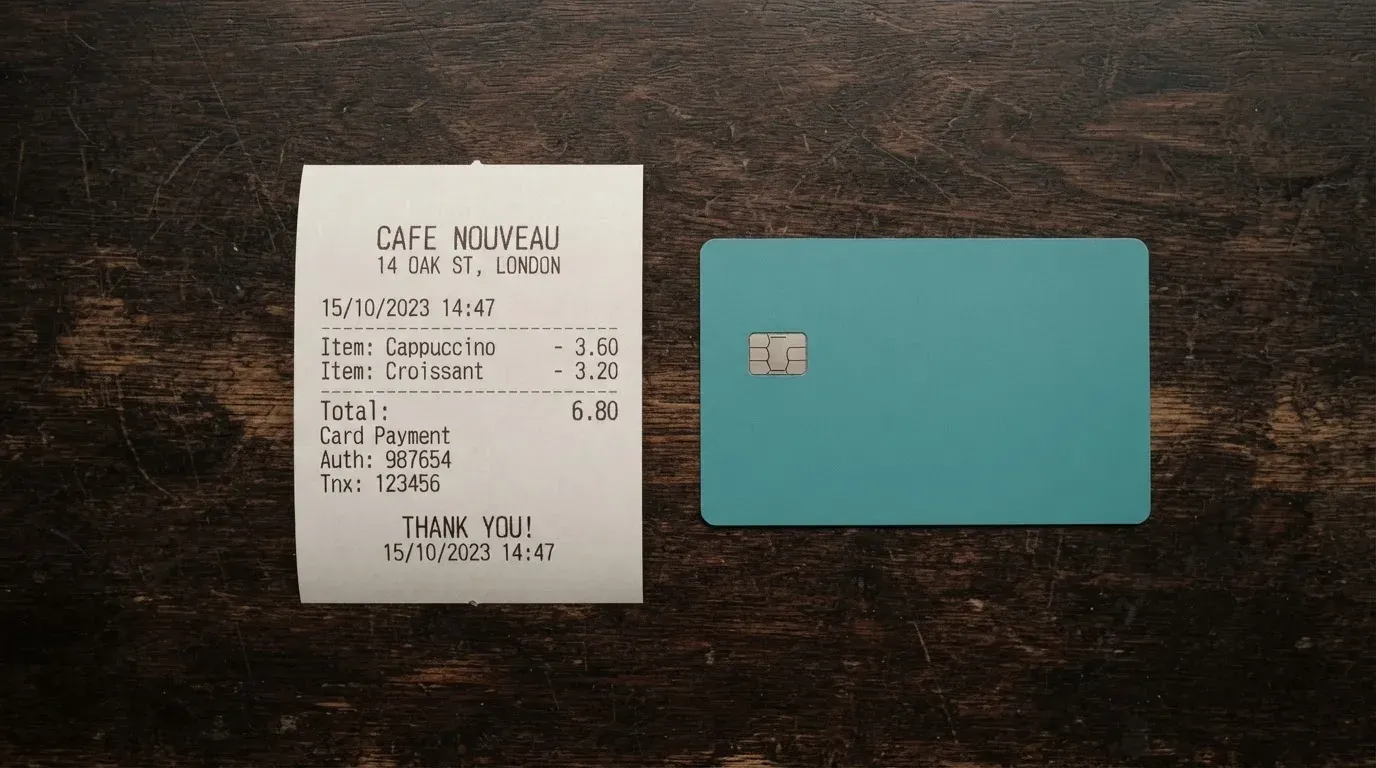
| Fee or limit | What the card states |
|---|---|
| Annual fee | None |
| Issuance fee | Not stated; card free for fully verified accounts |
| Foreign Exchange Charge | 3% Base, 1.5% Bright, 0% Blue |
| Conversion fee | Not stated |
| ATM operator fee | Not stated; operator fees may apply |
| ATM withdrawal | $500 per transaction, $1,000 per day |
| Card purchase limit | CAD $5,000 per transaction, $5,000 per day, $50,000 per month |
| Apple Pay / Google Pay tap | $250 |
| Limit increases | Not available |
One important inconsistency: the cardholder agreement’s fee table lists only the 3% FX charge, while the help centre describes a tiered 3% / 1.5% / 0% structure. Another help article and the agreement were reported to the card as differing on limits — one more recent article said $3,000 per transaction and per day, which I could not verify. If you are planning a large purchase, that is exactly the number to confirm in writing before you rely on it, because the published figures do not fully agree with each other.
Three everyday payments, and what each one costs
To make the fee structure concrete, take a Canadian resident on Base status — the default, and where everyone starts.
A $40 lunch in Toronto. The card balance is already in Canadian dollars, so there is no conversion step, no FX charge and no network fee. Cashback at 1% would put roughly $0.40 in bitcoin in your Shakepay BTC balance. This is the case the card is genuinely good at: predictable, no surprise charges, a small automatic drip of bitcoin.
A €60 dinner in Amsterdam. The Visa rate converts your Canadian dollars, and the 3% Base Foreign Exchange Charge is added on top. On €60 that is roughly €1.80 in fees, plus whatever spread the Visa conversion rate itself carries. On Bright the same charge is 1.5%; on Blue it disappears. This is where the reward tiers stop being cosmetic — they are worth about 3% of your abroad spending to a Blue-status holder versus a Base-status holder.
A $120 online order from a merchant in another country. The same conversion and the same charge apply, and then merchant-level rules come on top. Address Verification Service compares the numeric parts of the billing address you type against issuer records; it is mainly offered in the US, Canada and the UK and is generally unavailable for foreign-issued cards, so a decline here is not necessarily about you. Some merchants decline prepaid or foreign BINs because the BIN lookup reveals card type and issuer country. And a declined authorisation can leave a hold on your funds for several days — typically up to seven — even though no money was actually spent.
A note on refunds from abroad, because it surprises people: a foreign refund uses the rate paid to Visa minus the charge, so you generally get back slightly less than you paid.
Top up: how the balance gets filled
You top up by funding your Shakepay account, and the card spends the Canadian dollar balance in that account. There is no separate card balance and no card-specific top-up rail. This matters more than it first appears: the routes below fund the wallet, and the card simply reads the CAD portion of it.
| Route | Fee | Speed | Limits |
|---|---|---|---|
| Interac e-Transfer | Free | Minutes | $5 minimum, $10,000 maximum |
| Wire | Free | 1–2 working days | $10,000 minimum |
There are no activation fees and no minimum balance on the account itself. If you close the card, your Shakepay Wallet balance stays accessible and funds do not expire with the card.
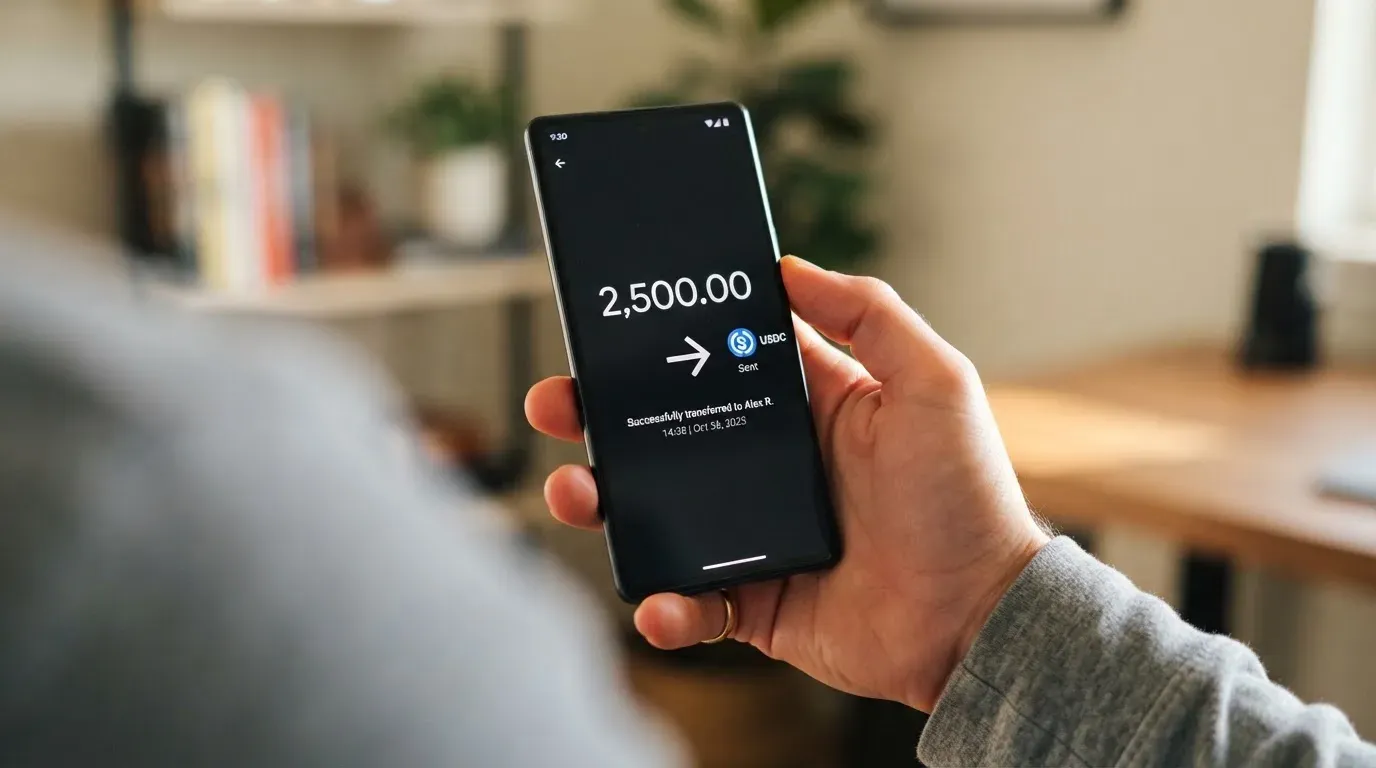
What is not stated: which coins or networks you can send to the card specifically, and any crypto deposit fee for the card. That is a real gap if the plan was to convert some bitcoin and load it straight to the card. As published, the reliable path is dollars in via Interac, with crypto sitting on the other side of the wallet.
Before you send anything irreversible, one general warning belongs here. Blockchain transfers cannot be reversed. A deposit sent on a network the provider does not support, or to an address belonging to a different network, can be lost or need manual support recovery with no guarantee of success.
Paying with it day to day
The strong part of the card is ordinary Canadian spending, and the rewards are the point. Physical Visa prepaid card, Canadian dollar balance, Apple Pay and Google Pay supported “where available”.
The reward structure works by calendar month, and this is the part to understand properly, because it is not a permanent tier you climb and keep:
| Status | How you reach it | Cashback | FX charge | Support |
|---|---|---|---|---|
| Base | Default | 1% | 3% | Standard |
| Bright | Exchange $100+ or $200+ in eligible direct deposits | 1% | 1.5% | Standard |
| Blue | Exchange $1,000+ or $2,000+ in direct deposits | 1.5% | 0% | Priority |
| Business | Automatic | Not stated | Not stated | Not stated |
Because the status resets by calendar month, a month in which you trade less drops you back to Base and you pay the 3% abroad again. That churn is worth planning around if abroad spending is a regular thing for you: front-load your exchange and direct deposits in the months you travel.
Cashback goes up to 1.5% in bitcoin on eligible purchases at eligible merchants worldwide, credited automatically to your BTC balance and withdrawable to a wallet you control. No metal card is stated. Blocked merchant categories are not stated, which leaves you without a list to check before a weekend away — gambling, for instance, carries merchant category code 7995 and is blocked by many issuers on specific cards by policy rather than by law, with the blocked list varying by issuer.
Everyday banking lives in the Shakepay mobile app: disputes, card controls and support chat are all in there. The app’s App Store and Google Play rating and number of ratings were not obtained, so I cannot tell you how users rate the thing you will use most.
If a transaction goes wrong, the clock is real. Notify Shakepay in writing within 60 days of the transaction through the dispute section of the app; the agreement also says a dispute must be received within 90 days or the transaction is deemed accepted. Visa Zero Liability claims for unauthorised use can take up to 120 days after paperwork is complete and may need a police investigation. Transactions before you report a loss may be treated as yours. Unresolved complaints go to the Ombudsman for Banking Services and Investments on 1-888-451-4519 or FCAC on 1-866-461-3222.
What can go wrong
The concentration risk and the account-freeze pattern are what I would weigh heaviest. Shakepay holds your balance in a custodial wallet — you are trusting the platform, not holding keys yourself. Funds are not CDIC-insured. The card is issued by Peoples Trust Company under licence from Visa International, and Shakepay itself is FINTRAC registered (#M17065696), a CIRO member and an investment dealer registered with the AMF and provincial regulators. Registration and licensing are real, but they are not deposit insurance.
Let me be precise about what that means. Someone who holds the credentials can spend the balance, and crypto transfers have no built-in recovery — the network cannot freeze or return funds. Custodial platforms have a documented history of large failures: Mt. Gox (about US$350 million reported stolen, 2011–2014), Coincheck (about US$400 million, 2018) and Ronin Network (US$625 million, 2022). Holding funds with a custodian carries counterparty and hack risk that holding them yourself does not.
On the complaints side, the picture is thin but not clean. Trustpilot showed 2.3 out of 5 from 22 reviews, of which one was in the last 12 months, read on 20 October 2026 — and only one review mentions the card at all, a positive one from December 2021. That is a very small sample, so treat the number as weak evidence. The themes in user reports across the period 2021 to September 2026 were account freezes and closures without stated reasons, support going unresponsive for days, delayed or blocked withdrawals and wires, unreturned funds including a $250 bill payment, and source-of-funds questioning. Official incidents were not stated and I found no user report file to weigh. One more data point: an unofficial third-party site (CryptoCardHub, 11 August 2026) cites Trustpilot at about 1.5/5, which disagrees with what I read.
Note also what crypto means for tax. Digital assets are generally treated as property, so paying with a balance ultimately funded by crypto can be a separate taxable disposal at fair market value on the date of each payment. That is a question for a qualified adviser in your own jurisdiction, not something this review can answer for you — but it is the kind of thing that makes “1% back” less interesting than it sounds to a Canadian who trades actively.
Controls you do have
- Instant card lock and freeze in the app.
- Two-factor authentication.
- A dedicated lost/stolen line on 1-855-574-2539, 24/7.
- Your PIN cannot be changed once set — if you want a new PIN, you replace the card. The PIN may be disabled after three wrong entries.
- Phone +1(438) 802-1221, in-app Support Chat, and email [email protected].
- Priority live chat for Blue and Business status, weekdays 8am–10pm EST and weekends 9am–5pm EST.
One more thing to know before you rely on the card abroad: card programmes do close. Visa terminated its global agreements with FTX in November 2022 and the FTX US debit card programme was wound down; WaveCrest, a Visa issuer that supplied crypto card brands, was suspended by Visa in Europe in 2018, closing all WaveCrest-issued Visa programmes. Closures typically mean a notice period, then spending and loading stop, then you are asked to withdraw your balance.
What to take instead
If Shakepay is not right for you, the honest reason is usually one of three: you are not in Canada, you want credit rather than prepaid, or you want a card you can load with crypto directly. Here is how the three alternatives I checked compare, on their published terms.
| Shakepay | Gemini | Lava | GoMining | |
|---|---|---|---|---|
| My score | 4.3 / 10 | 4.9 / 10 | 7.1 / 10 | 6.6 / 10 |
| Card type | Physical Visa prepaid, CAD balance | Mastercard World Elite credit card | “Lava Card” | Virtual now, physical “coming soon” |
| Where available | Canada only, all 13 provinces and territories | Not stated on the card page | Not stated; 150+ countries per the card page | Not a list; “may not be available in your jurisdiction” |
| Annual fee | None | None | None | Not stated |
| FX fees | 3% / 1.5% / 0% by status | No foreign transaction fees | “No FX fees, and no FX spread” | Not stated |
| Funding | Interac e-Transfer, wire | Credit card, paid off in fiat | Local currency or stablecoins | BTC, USDT, GOMINING and other coins |
| Rewards | Up to 1.5% in bitcoin | 4% gas/EV/transit (first $300/month), 3% dining, 2% groceries, 1% other | “Up to 5% back in bitcoin”, conditions not stated | Cashback in mining power, rises with VIP level, “up to 5%” |
Reading the table honestly, the differences are structural rather than cosmetic.
Gemini is a credit card, which means you are not spending a stored balance and the crypto never touches the payment — rewards are simply paid in Bitcoin or 50+ other cryptos on Gemini, changeable at any time. That removes the pre-funded-balance risk entirely and, with no foreign transaction fees, it is the more natural fit for a US or Canadian user who spends abroad. Its rewards rates are also higher on paper. But the card page does not state who is eligible, and it is a US-market product, so do not read the 4.9 as “available to you”.
Lava scores highest of the three and the reasons are the ones people outside the US care about: no FX fees, no FX spread, deposits in local currency or stablecoins, and acceptance claimed at 150 million merchants in over 150 countries. The catch is that the page does not state which countries the card can be issued in, nor whether it is physical or virtual. Its “up to 5% back in bitcoin” comes with conditions not stated — the phrase “up to” is doing real work in that sentence.
GoMining is the odd one out: the card is where the mining is. Opening one grants a free 1 TH miner, cashback is paid in mining power rather than coins, and your VIP level sets the rate. If you are already in that ecosystem it may make sense; if you want to spend money, it is a different proposition.
Who I would recommend it to
I would recommend the Shakepay card to three kinds of person and warn the rest.
Recommend it if you live in Canada, already use Shakepay for bitcoin purchases, spend mainly in Canadian dollars, and want a small automatic bitcoin drip on everyday spending without thinking about it. At 1% that is genuinely close to free money if your spending is ordinary, and the card has no annual fee. If you also travel regularly, push for Blue status in the months you travel — the 0% FX charge versus 3% is the difference that matters.
Recommend it with caution if you plan to hold a meaningful balance on it. The balance is custodial and not CDIC-insured, and the complaint pattern around freezes and delayed withdrawals is real even if thinly sampled. Keep it funded to what you would comfortably lose access to for a week, because that is roughly the failure mode reported.
Do not recommend it if you are outside Canada, if you need credit, if you plan to load it straight from crypto (the pages do not state which networks the card supports), or if your priority is a card that works abroad without a foreign exchange charge. For that last case, Gemini or Lava are the two worth reading next — with the caveat that eligibility for either is not stated on the pages I read.
Frequently asked questions
What is the Shakepay card?
It is a physical Visa prepaid card that spends a Canadian dollar balance held in your Shakepay account, and pays part of what you spend back in bitcoin. It is not a credit card: there is no borrowing, no credit check, and no monthly bill. Cashback is credited automatically to your BTC balance and can be withdrawn to a wallet you control.
Is Shakepay a bank?
No — it is a registered crypto platform, not a deposit-taking bank. Shakepay is FINTRAC registered (#M17065696), a CIRO member and an investment dealer registered with the AMF and provincial regulators. The card itself is issued by Peoples Trust Company under licence from Visa International, and funds on the account are not CDIC-insured.
Who can get the Shakepay card?
Shakepay customers in all 13 Canadian provinces and territories, and nobody else — Canada only. You must be of the age of majority in your province, hold one card per person, pass an in-app eligibility questionnaire and reach fully verified account status. Certain countries and merchants are also restricted even for holders; the card points those questions to its support email.
Does applying require a credit check?
No. There is no credit check at all, which makes the card attractive if a credit application is what you are avoiding. What is required instead is identity verification: a fully verified account. The public pages do not state which documents, proof of address or verification tiers are involved, so ask support if that matters.
How do I top up the Shakepay card?
You fund your Shakepay account and the card spends the Canadian dollar balance in it. Interac e-Transfer is free, arrives within minutes, with a $5 minimum and $10,000 maximum. Wire is free, takes 1–2 working days, and has a $10,000 minimum. There are no activation fees and no minimum balance on the account.
Is the Shakepay card free?
There are no annual fees, and the card is free for fully verified accounts. An issuance fee is not stated. The fee that actually costs you money is the Foreign Exchange Charge on spending outside Canada: 3% at Base status, 1.5% at Bright and 0% at Blue. Inside Canada, there is no conversion charge at all.
Can I use the Shakepay card abroad?
Yes, at merchants worldwide, and the card pays up to 1.5% cashback in bitcoin on eligible purchases. The cost is the foreign exchange charge unless you hold Blue status, plus whatever spread the Visa conversion rate carries. Watch for declines: address verification is often unavailable for foreign-issued cards, some merchants decline prepaid cards, and a declined payment can hold your funds for up to seven days.
Is Shakepay card safe?
It uses the ordinary safeguards — instant app lock, two-factor authentication, and a 24/7 lost-and-stolen line — but the balance is custodial, meaning Shakepay holds it rather than you holding keys. Funds are not CDIC-insured, so you are exposed to counterparty and hack risk that a self-custody wallet does not carry. Trustpilot shows 2.3 out of 5 from 22 reviews, with recurring themes of account freezes and delayed withdrawals.
Can I add the card to Apple Wallet?
Apple Pay and Google Pay are both supported, where available. Adding it puts a device-specific number on your phone rather than the card number itself, and each payment uses a one-time code. The tap-to-pay limit is $250, against a $5,000 per-transaction and per-day limit on the physical card. Note your PIN cannot be changed once set.
Is the Shakepay card worth it?
For a Canadian who already uses the platform and spends in dollars, yes — no annual fee, automatic bitcoin cashback, no credit check. The trade-off is a 1% default reward, a custodial balance that is not deposit-insured, and a 3% FX charge outside Canada unless you reach Blue status each calendar month. Outside Canada, it is not an option at all.
Credit and cashback card reviews – cryptocardcheck
Content created by the «cryptocardcheck» team