
A self-custody crypto card that pays 3% cashback — with fees, a $10 deposit gate and an unnamed issuer
 Available in US
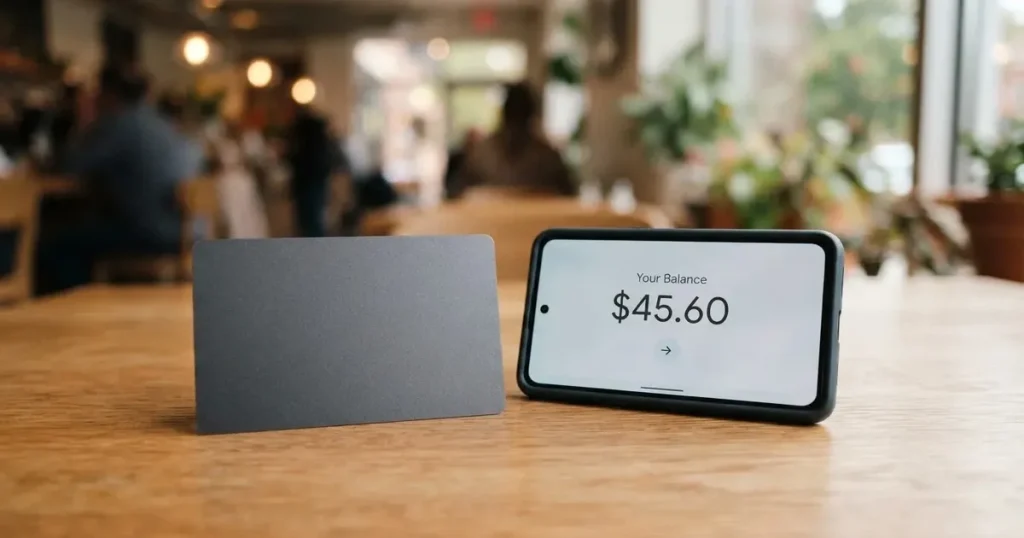
The ether.fi card is one of the more usable crypto cards I have read the public material on. It is a Visa, virtual and plastic, it works in Apple Wallet and Google Pay, it spends straight from a self-custody Safe, and its Core tier carries a 3% cashback in ETHFI on the first $2,000 a month. That combination is genuinely attractive if you already hold assets and want to spend them without moving them to an exchange.
Conditions are current as of October 28, 2026.
What holds it back is everything the card’s own pages leave unsaid. The card currency is not stated. The crypto conversion fee is not stated. The ATM fee is not stated on the page that describes ATM withdrawals. The issuer is not named in the official material, and the two blogs that do name one disagree. The physical card costs nothing but the shipping price is not disclosed. Add a November 2025 suspension of the cards after fraudulent transactions and a user report of deposits going missing during activation, and you get a card that is pleasant to use and hard to fully price.
My score is 6.7 out of 10. That is not a swipe at the product; it is a discount for opacity on the things a payment card cannot afford to be vague about.
The conditions described here are current as of October 2026.
Who can get the ether.fi card
Short answer: residents of a specific list of jurisdictions, and no one else. The card is issued only in listed countries, on a residence and jurisdiction basis, “subject to KYC and compliance”. If your jurisdiction is not on the list, the card’s own text says plainly: you will not be able to apply.
The named jurisdictions are Andorra, Argentina, Australia, Austria, Brazil, Canada, Cyprus, Czech Republic, France, Germany, Hong Kong, Hungary, Italy, Japan, Mexico, Poland, Portugal, Singapore, Spain, Switzerland, the UAE and the UK, plus 31 US states. Belgium and Ireland are eligible, but without physical delivery.
Two gaps in that list matter to you as a reader. First, citizenship rules are not stated — the card gates on where you live, and says nothing about which passports it accepts. If you are a citizen of one country living in another, the residence-based test is what applies. Second, ATM withdrawals are blocked in North Korea, Iran and Myanmar.
So the practical test is: does the list contain where you actually reside? If it does not, stop reading this page — no fee schedule matters. If it does, the next thing to know is what happens at signup.
My score, criterion by criterion
| Criterion | Mark | Why |
|---|---|---|
| Who can get it | 7 / 10 | Issued in listed jurisdictions: Austria, Australia, Brazil, Canada, Germany, Hong Kong, Japan, Singapore, Switzerland, the UAE, the UK and others, plus 31 US states. Citizenship rules not stated. |
| Cost | 7 / 10 | Core: one free virtual card, plastic free but delivery costs something (amount not disclosed); FX 0.5%. Unofficially: 1% FX outside USD and EUR, and a 2% ATM fee. |
| Top-up options | 7 / 10 | Any supported token is deposited into your Safe, with deposits from several networks; the list of coins and networks is not disclosed. |
| Reliability and complaints | 4 / 10 | Issuer not officially named (unofficial: Rain or Third National, sources disagree); Trustpilot 3.3 from 47 reviews; cards suspended in November 2025 after fraudulent transactions; complaints about freezes. |
| Everyday use | 9 / 10 | Virtual and plastic Visa, Apple Wallet and Google Pay, ATMs up to $5,000 per withdrawal. |
| Total | 6.7 / 10 |
The shape of that table tells the story. Everyday use scores 9 because the mechanics — virtual card, plastic card, mobile wallets, a $5,000 ATM ceiling — are genuinely well covered. Reliability and complaints scores 4, and it drags the total down more than anything else. You are being asked to trust a payment rail whose issuing institution the official pages will not name.
How to get the ether.fi card
The route is short and has one step most people would not expect: you deposit before you verify.
The published order is: deposit tokens to your Safe, complete KYC, then order a virtual or physical card in the app. Activation includes “Verify your identity via KYC”, and there is a $10 crypto deposit required before KYC can complete, in all regions. That deposit can be withdrawn if verification fails — which is a fair arrangement, but it does mean the first thing you do is move real money.
There is one KYC flow rather than levels. It runs on phone OTP, an identity document (passport, national ID or driver’s licence), a selfie liveness check and your address. Sometimes there is also a card issuer questionnaire, and proof of address is requested only in some cases, no older than three months, and phone bills or screenshots are not accepted. Most reviews put approval at within 48 hours — though “most reviews” is not a commitment, and the complaint record below includes multi-week and multi-month verification limbo.
The card itself is a Visa, available as a virtual card and a physical card. The card currency is not stated; USD and EUR purchases are both referenced in the cashback rules, which implies both are usable but does not tell you what the account is denominated in.
The official list of reasons a KYC check can be rejected is not published. What is documented are the causes of delay people actually hit: an expired or cropped ID, screenshots instead of photographs, information that does not match between fields, and an address mismatch. If you are going to apply, take a clean, full-page photo of a valid document and make sure every field you type matches it exactly. That is not a trick — it is the difference between the 48-hour case and the slow case.
Fees: what it really costs
Short answer: the Core tier is advertised at no monthly charge and 0.5% FX, but several of the numbers you would need to price a payment are not disclosed at all, so treat any cost estimate you see elsewhere as incomplete.
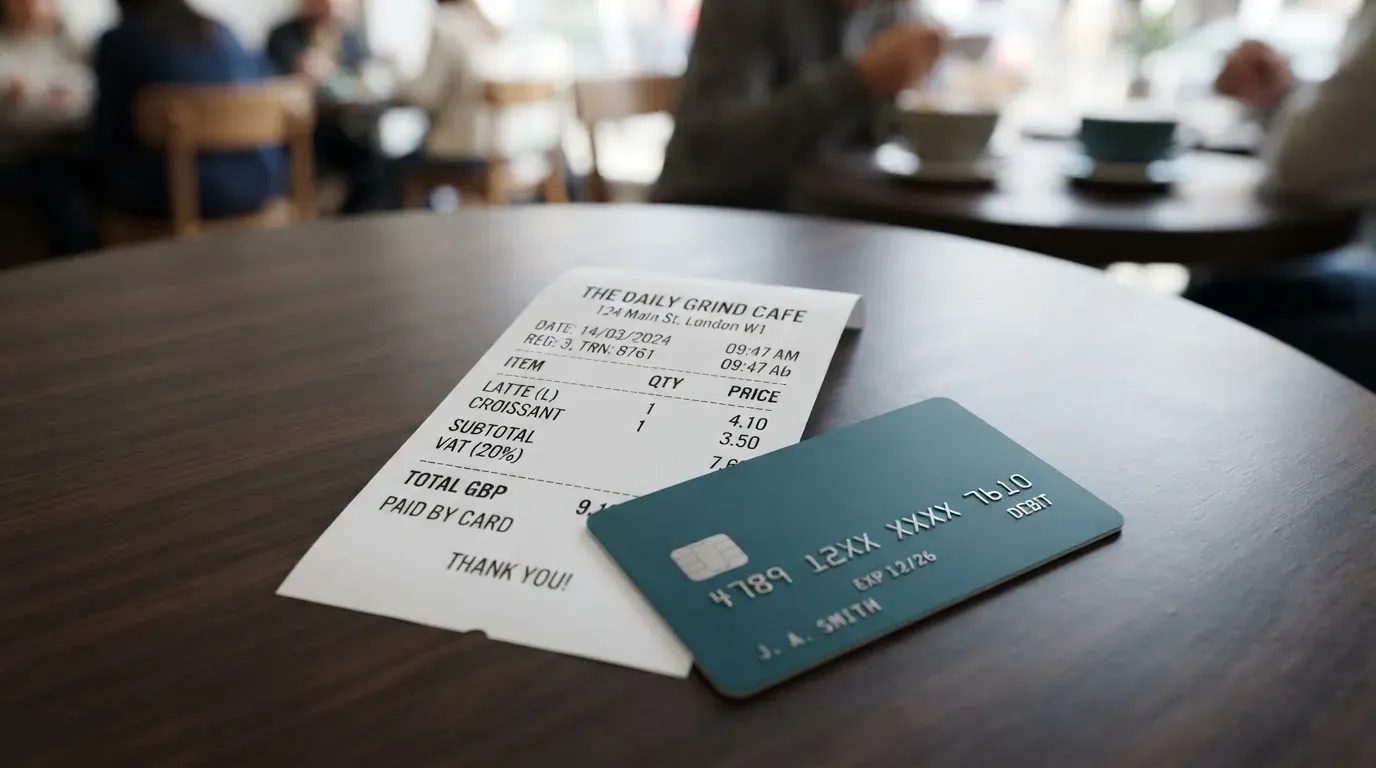
Here is everything the card’s own pages actually state, plus the unofficial figures marked as such.
| Fee or limit | Value | Source |
|---|---|---|
| Virtual card, Core | One free card normally; first virtual card costs $10 in regional-pricing countries | Official |
| Physical card, Core | Free, but a shipping fee applies (amount not stated) | Official |
| Monthly or annual fee | Not stated | Official |
| Physical card fee | Not stated | Official |
| FX fee, Core | 0.5% on top of the base rate | Official |
| FX fee, Luxe | 0.25% | Official |
| FX fee, Pinnacle and VIP | None | Official |
| EUR purchases | 0% FX under a separate article | Official |
| Crypto conversion fee | Not stated | Official |
| FX outside USD and EUR | 1% | Unofficial (cryptocards.so, 2026) |
| ATM fee | 2%, with a $250/day cap | Unofficial (cryptocards.so, 2026) |
| ATM withdrawal limit | Up to $5,000 per withdrawal; 5 withdrawals and $25,000 per rolling 24h | Official |
| ATM withdrawal limit, another article | $1,000 per ATM withdrawal (MCC 6011), 5 per 24h | Official |
| ATM fee on that article | Not stated in this article | Official |
| Weekly per-card limit, MCC $500 | Crypto purchases, gambling, FX, prepaid loading | Official |
| Weekly per-card limit, MCC $1,000 | Money transfers, stock brokers, dating | Official |
| Weekly per-card limit, MCC $3,000 | Pharmacies, licensed online casinos (MCC 7800–7802), funding crypto accounts | Official |
| Advertising | $30,000 per transaction | Official |
| Daily and monthly caps | Set by you in the Cash tab | Official |
Three everyday payments, and which fees actually bite.
Buying something online priced in dollars is the cleanest case. Card currency is USD and EUR, so no FX fee is added on top of the base rate, and you spend directly from your token balance.
Buying in euros is the second case, and the better one on this list: there is a separate article stating 0% FX for EUR purchases. The catch is the cashback ladder for EUR is lower than for dollars.
Buying in anything else is the case where you are pricing on third-party numbers. The official material says the FX fee for other currencies depends on tier and gives nothing further. The unofficial figure is 1%, and an OzBargain post says the same for non-USD spend. Two sources agreeing is better than one, but neither is the card.
Where the cost picture genuinely hurts is the crypto conversion fee. This is the number that turns a stablecoin or token balance into dollars at the till, and it is not stated. You can read the FX fee, the tier fee, the ATM ceiling and the cashback ladder, and still not be able to say what a $40 lunch costs end to end. For most people that is the single most important number on the page, and its absence is why my Cost mark is 7 and not higher.
One more cost item before you decide. If you are in a regional-pricing country — Argentina, Angola, Bangladesh, Bolivia, Colombia, Ecuador, Indonesia, Malaysia, Mexico, Nigeria, Peru, the Philippines, South Africa or Thailand — the first virtual card costs $10 rather than being free.
How to top up
Short answer: by depositing crypto to your own Safe, and the coin and network list lives in the help centre rather than on the card page.
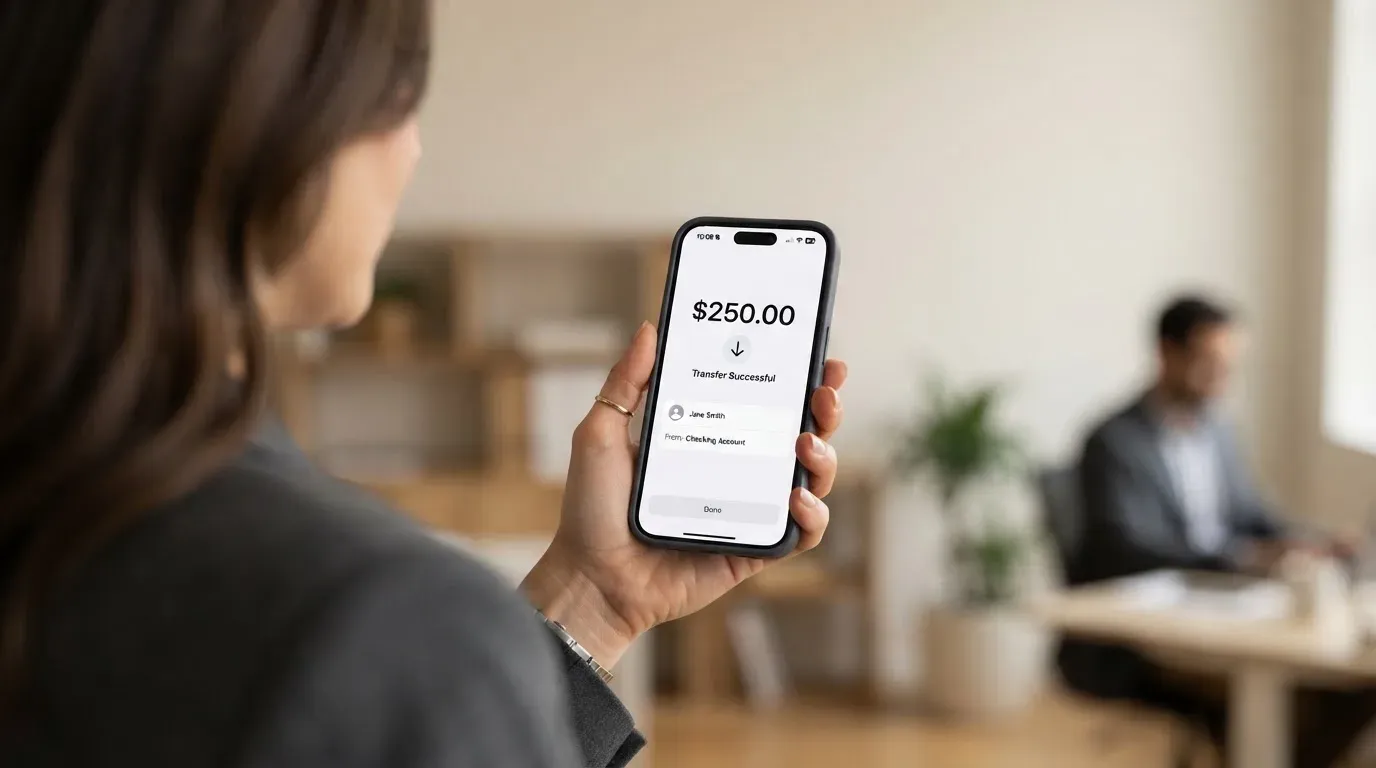
The card’s funding model is direct: deposit “any supported token” to the user’s Safe, where in Credit mode it acts as collateral, and in Direct Pay mode the balance is what gets spent. Because the assets sit in a Safe, they are not a deposit with an exchange or a custodial balance with the card company — see the security section for what that buys you and what it costs you.
Which coins and which networks are supported is not stated on the card pages. The list lives in two help articles — “Supported assets and networks for your Vault with Cash” and “USDC and USDT deposit networks and addresses”. That is where you go before you send anything, and it matters more than it sounds: blockchain transfers are irreversible, so a deposit on a network the provider does not support, or sent to an address belonging to a different network, can be lost or need manual recovery with no guarantee. Check the article, copy the address from the app rather than from an old message, and send a small test amount first.
Three things about the mechanics you should know.
Deposits can arrive from multiple chains, and the deposit or network fee amounts are not stated. Those fees are charged by the blockchain, not by the card provider, so they vary with network conditions rather than with anything the card sets.
There is also a fiat top-up route by bank transfer, with its own country list and its own fee schedule; I did not read that fee schedule, so I am not going to guess at it.
Withdrawing your vault balance is a separate flow: you request a withdrawal with the token, amount and recipient address, and it executes once the required Safe owners sign. Cross-chain withdrawals have their own article. Fees are not stated. Deleting your account requires a $0 balance, no active borrows and no pending card transactions, followed by a 14-day waiting period — and what happens to any remaining balance in the meantime is not stated, because the balance has to be emptied first.
Paying with it every day
Short answer: this is the part the card is genuinely good at. Virtual or plastic Visa, added to your phone’s wallet, spending straight from tokens.
Apple Wallet and Google Pay are supported, and you add the card through the card details. That tokenised number replaces your card number with a device-specific number stored in the phone’s secure hardware, and each payment uses a one-time dynamic code — so adding it to your phone does not mean your card number sits on a server somewhere. It also means you can freeze or delete the card without losing the wallet entry in the same way.
The iOS app is published as “ether.fi: Crypto Card & Spend” and requires iOS 16.0 or newer. It sits at 4.9 with 141 ratings in the US storefront as of 2026-10-20. I did not read the Google Play listing, so I cannot tell you what Android users see.
Cashback is the headline, and it is paid in ETHFI, locked for seven days and then claimable. The tiers work like this:
| Tier | Cashback | Monthly cap at top rate | Cards included | Protection |
|---|---|---|---|---|
| Core | 3% up to $2,000/month, then 1% to $3,000, then 0.5% | $2,000 | 1 free virtual; plastic free, shipping fee applies | Up to $10K |
| Luxe ($199/year or earned by points) | 3% up to $10,000 | $10,000 | 2 free virtual; free metal card with shipping; 10% category cashback up to $10/mo | Up to $50K |
| Pinnacle ($999/year or points) | 3% up to $50,000 | $50,000 | 10 virtual; free ATM up to 10/month; express shipping | Up to $100K |
| VIP | 4% up to first $50,000 | $50,000 | Unlimited virtual; free Gold metal card | Up to $500K |
Read the Core row carefully, because that is where most people sit: 3% applies to the first $2,000 a month, then 1% up to $3,000, then 0.5% above that. EUR purchases use lower ladders. Business accounts get 1%. ATM withdrawals, cash advances, P2P and gambling MCCs are excluded from cashback, and no payout cap is stated.
Some merchant categories get a rough time. MCCs 6011, 6012, 6211, 6513, 6532 and 7995 are cashback-excluded or limited — that is ATMs, grocery and other categories, fuel, taxi, and gambling. Gambling is capped at $500 weekly rather than described as fully blocked. And a four-digit merchant category code is just that: a classification assigned when a business starts accepting cards, which is why limits vary so oddly between categories that feel the same to you.
If a payment goes wrong, the paths differ. Unauthorized transactions: delete the card and contact support, which puts it into Visa’s fraud process. Merchant problems — goods never arrived, duplicate charges, a subscription you wanted to cancel — go through Visa’s dispute process, and you should contact the merchant first. Disputes are filed through in-app chat with support, and “disputes may take up to 90 days to complete”. No dispute fee is mentioned. Refunds come from the merchant, with timing covered in a separate article.
One general warning that applies to any card: a declined authorisation can leave a hold on your funds for several days, typically up to seven. If you are spending from a token balance you also intend to move, that hold is worth knowing about.
What can go wrong
Short answer: the technical security of the card is better than most of this category, and the operational risk sits in the issuer, the compliance machine and the places the pages go quiet.
Start with the structural risk, because it is the one you cannot diversify away. The official material does not name the legal entity behind the card or the institution that issues it. The help articles mention Visa, and there is a Cash Protection Program, but no issuer is named. Blogs disagree: one says the card is issued via Rain, another says it is issued by Third National under a Visa licence. Neither is official. For a card you are asked to put real money behind, an unnamed issuer is not a detail — it is the thing you would want to name when something goes wrong.
Then there is the record. In November 2025 the cards were suspended after fraudulent transactions, and the CEO promised refunds. A secondary aggregator also mentions compliance freezes and slow automated support. The user report I read puts Trustpilot at 3.3 out of 5 from 47 reviews, citing changed account details and lost deposited funds during card activation; a later reading on the same day showed 3.5 for the same 47 reviews, so treat the score as a moving target and the themes as the substance. Those themes are specific: KYC and address-verification limbo lasting weeks to months; denial after approval with “suspected fraud” and no particular reason given; compliance freezes with slow automated support; and deposited funds lost during activation in 2025.
Read that list against the legal position you are in, because it explains why. Sanctions screening and issuer risk policy are applied to citizenship and country of birth as well as to your address, which is why a verified application can still be declined later. And where due diligence cannot be completed, rules require the institution to hold off on the relationship and, where necessary, end it — which is the mechanism behind most “frozen for no stated reason” complaints.
The good part, which is real
The security design is the strongest thing here. Your funds sit in a self-custody-style Safe, and withdrawals need Safe owner signatures — so the card company cannot move your balance out from under you. On top of that there is passkey sign-in, email OTP, a PIN, an immediate card freeze in the app, and daily and monthly spend limits you set yourself in the Cash tab. Limit changes take effect after a security delay, which is mildly annoying and is the right trade.
The Cash Protection Program is worth reading, with its limits. It is explicitly not insurance. It reimburses unauthorised smart-contract asset movement, capped at $10,000 for Core, $50,000 for Luxe, $200,000 for Pinnacle and Business, and $500,000 for VIP, against a programme capacity of $5 million. There is a $100 claim fee, refunded if the claim is approved. It excludes compromised keys, credentials and devices — meaning that if someone gets your seed phrase or your device, this programme is not your backstop.
The failures worth planning for
Here is the list I would want a friend to read before depositing:
- The issuer is not officially named, and the two unofficial sources disagree about who it is.
- Cards were suspended in November 2025 after fraudulent transactions. Suspension is a category risk, not a hypothetical: it has already happened once.
- Accounts get frozen for compliance reasons, and the automated support that follows is slow.
- KYC can sit for weeks to months, and approval can be reversed afterwards.
- Deposits have reportedly been lost during activation.
- The crypto conversion fee is not stated, so your true cost per purchase is unknown.
- Two official help articles give different ATM ceilings — $5,000 per withdrawal in one, $1,000 for MCC 6011 in the other. Take the lower figure as the one that applies to cash machines.
Against that, note what the card does well: self-custody, immediate freeze, your own limits, and a named complaints route through in-app chat.
What to take instead
Short answer: if the unnamed issuer or the undisclosed conversion fee is what stops you, two of the three alternatives name their issuer or their fees more clearly; none of them is a clean substitute for the cashback rate.
| ether.fi | Sponge | Nexo | Xplace | |
|---|---|---|---|---|
| Score | 6.7 / 10 | 4.9 / 10 | 6.3 / 10 | 7.7 / 10 |
| Card form | Virtual and physical Visa | Virtual, described as a credit card issued by Rain, a Visa Principal Member | Virtual and physical; network not stated explicitly (Mastercard mark on page) | Visa, virtual and physical |
| Who can get it | Listed jurisdictions incl. UK, EU, Australia, Japan, Singapore, UAE, 31 US states | Not stated; platform terms set a minimum age of 13 for the service | Residents and citizens of “selected European countries, including the EEA and the United Kingdom”; excluded jurisdictions not named | Country list not stated; “not available in all jurisdictions” |
| Stated fees | FX 0.5% (Core); conversion fee not stated; ATM fee not stated in the ATM article | Not stated | FX 0.2% on weekdays in EEA/UK/CH, 2% elsewhere; 0.7% and 2.5% at weekends; no monthly, annual or inactivity fee; conversion fee not stated | 0% FX on Platinum; FX for other tiers and conversion fee not stated |
| Upfront cost | Free virtual (Core, outside regional pricing); $10 first card in regional-pricing countries | Not stated | Virtual card needs at least $50 in the account to activate; physical card free shipping but needs balance above $5,000 in digital assets and at least Gold tier | Basic free, Silver $99/y, Gold $249/y, Platinum $999/y; no borrowing origination fee |
| Funding | Any supported token into your Safe | USDC collateral moved from the wallet with card fund (example chain base; SDK mentions base or solana) |
Over 100 digital assets from the Nexo account; Debit Mode uses stablecoins, crypto and FiatX | BTC (cbBTC), ETH (wETH), SOL, JitoSOL, USDC, USDT, xStocks on Solana |
| Cashback | 3% up to $2,000/month on Core, paid in ETHFI locked 7 days | Not stated | Credit Mode only, and only with more than $5,000 in digital assets; NEXO/BTC by tier from 0.5%/0.1% to 2%/0.5% | Credit mode by tier: Basic 0.5% to Platinum 2%, paid in USDC; Cash mode not stated |
A few observations as you read that table.
Xplace scores highest at 7.7 and has the clearest fee ladder — but its tiers cost $99 to $999 a year, its country list is not stated, and its cashback only applies in Credit mode, where you are borrowing against your holdings rather than spending them. That is a different product from what ether.fi offers, not a better version of it.
Nexo is the one that names its issuer (DiPocket UAB), publishes a full FX ladder that doubles at weekends, and has no monthly, annual or inactivity fee. Its catch is the shape of the account: cashback requires Credit Mode and more than $5,000 in digital assets, and the physical card requires the same balance plus Gold tier. One caution I should not soften — a 2025-era news report described a Bulgarian police raid on Nexo’s Sofia office over alleged sanctions and AML violations, with no official Nexo statement about any Russians found. That is news, not an official finding, but you should know it exists before depositing.
Sponge is the weakest of the four at 4.9, and its basic costs are simply not published. The one thing it does state clearly is its issuer relationship — Rain, a Visa Principal Member — which is more than ether.fi’s own pages say.
Every one of these cards has at least one number it will not give you. On ether.fi’s side, the missing one is the conversion fee, which is the number that matters most at the till. If the absence of that figure is your dealbreaker rather than a reason to pause, Nexo and Xplace are the two worth reading next.
Who I would recommend it to
I would recommend this card to someone who already holds tokens in a self-custody wallet, lives in a listed jurisdiction, spends mostly in dollars or euros, and is comfortable reading the help centre rather than just tapping a button. If that is you, the 3% cashback on the first $2,000 a month, the Apple Wallet support and the fact that your assets never leave your Safe make this one of the better cards in the category — and you should still set the daily and monthly caps in the Cash tab on day one.
I would not recommend it as your only card. If your income depends on it, if you draw cash from it, if you are in a jurisdiction where KYC freezes would leave you stuck, or if you simply cannot price a payment because the conversion fee is missing, this is not the card to depend on. Keep a conventional bank card alongside it and treat this as the spending one.
I would hold off entirely if you are in a country not on the list, if you need cash more than you need card payments, or if the unnamed issuer is a dealbreaker for you — which, given that a bank card is normally issued by an institution you can name, is a reasonable position to take.
And a note for anyone who already has one: keep your deposit small relative to what you are comfortable losing while complaints are open. The complaints are about money not arriving, not about a card being declined.
Frequently asked questions
What is the ether.fi card?
It is a Visa payment card, offered as a virtual card and a plastic card, that spends directly from crypto held in your own self-custody Safe rather than from a bank account. Payments in USD and EUR are supported, the card can be added to Apple Wallet and Google Pay, and Core members get 3% cashback in ETHFI on the first $2,000 of monthly spending. Your assets stay in your wallet, not with the card company.
Is ether.fi a bank?
No, and this is an important distinction. The official material does not name a bank and does not name the issuing institution either. Help articles mention Visa, and there is a Cash Protection Program, but the legal entity and issuer are not stated. Two unofficial sources name different issuers — Rain in one blog, Third National in another — and they disagree. Treat “which bank backs this card” as an open question.
Is the ether.fi card safe?
The security design is genuinely strong: your funds sit in a Safe that needs owner signatures to move, with passkey sign-in, email OTP, a PIN, instant card freeze and spending limits you control. The weaknesses are operational, not cryptographic — an unnamed issuer, accounts frozen for compliance with slow support, and reports of deposits lost during activation. Keep your balance modest and your conventional card as backup.
How much does the ether.fi card cost?
Core normally gives one free virtual card and a free plastic card, though a shipping fee applies and the amount is not disclosed. The FX fee is 0.5% on Core, 0.25% on Luxe and none on Pinnacle and VIP, with 0% on EUR purchases. The crypto conversion fee is not stated, and that is the number that makes a real cost estimate impossible. In regional-pricing countries the first virtual card costs $10.
Does the ether.fi card require KYC?
Yes. There is one KYC flow with no levels: phone OTP, a passport, national ID or driver’s licence, a selfie liveness check and your address, plus sometimes an issuer questionnaire and, in some cases, proof of address no older than three months. A $10 crypto deposit must complete before verification finishes, and can be withdrawn if verification fails. Most reviews report approval within 48 hours, though others report weeks.
Can I use the ether.fi card in my country?
Only if you live in a listed jurisdiction. The card is issued in Andorra, Argentina, Australia, Austria, Brazil, Canada, Cyprus, Czech Republic, France, Germany, Hong Kong, Hungary, Italy, Japan, Mexico, Poland, Portugal, Singapore, Spain, Switzerland, the UAE and the UK, plus 31 US states, with Belgium and Ireland eligible but without physical delivery. The card’s own words: if your jurisdiction is not listed, you will not be able to apply.
How do I top up the ether.fi card?
You deposit crypto to your Safe — any supported token, from multiple networks — and that balance is what Direct Pay mode spends; in Credit mode it acts as collateral. The list of supported coins and networks is not on the card pages; it lives in the help articles on supported assets and networks and on USDC and USDT deposit networks. Check it before sending anything, because transfers are irreversible.
How do I add the ether.fi card to Apple Wallet?
You add it using the card details, and Google Pay works the same way. The number stored in your phone is tokenised and device-specific, with a one-time code generated per payment, so your actual card number is not what gets sent to the shop. If you lose the physical card you can delete it in the app without exposing your wallet entry the same way.
What are the fees for ATM withdrawals?
The official ATM article states a ceiling of up to $5,000 per withdrawal, with 5 withdrawals and $25,000 per rolling 24 hours; a second article states $1,000 per ATM withdrawal for MCC 6011, 5 per 24 hours. The fee itself is not stated in that article. An unofficial source puts it at 2% with a $250 daily cap. Pinnacle and VIP have up to 10 free ATM withdrawals a month. Take the lower withdrawal ceiling as the safe assumption.
Is the ether.fi card worth it?
For someone already holding tokens in a listed jurisdiction who spends in dollars or euros, the cashback, the wallet support and the self-custody design make it one of the better cards available. It is not worth it as your only card, not worth it for cash-heavy use, and hard to value when the conversion fee is not published. If you need to know your true cost per purchase before committing, read Nexo’s and Xplace’s fee schedules alongside this one.
Credit and cashback card reviews – cryptocardcheck
Content created by the «cryptocardcheck» team